Compare Spire Software and Sage X3 to understand their capabilities, scalability, and operational differences, and determine which ERP solution best supports your business growth and complexity.
Compare Sage 300 and Sage X3 across financial management, manufacturing, inventory, and scalability to identify which ERP solution best supports your current operations and future growth.
Discover the differences between ERP and accounting software, identify when your business needs an upgrade, and learn how Sage X3 connects finance, inventory, manufacturing, and supply chain operations.
Discover how expert ERP consulting, strategic implementation, data migration, and ongoing support help businesses reduce risk and achieve long-term results.
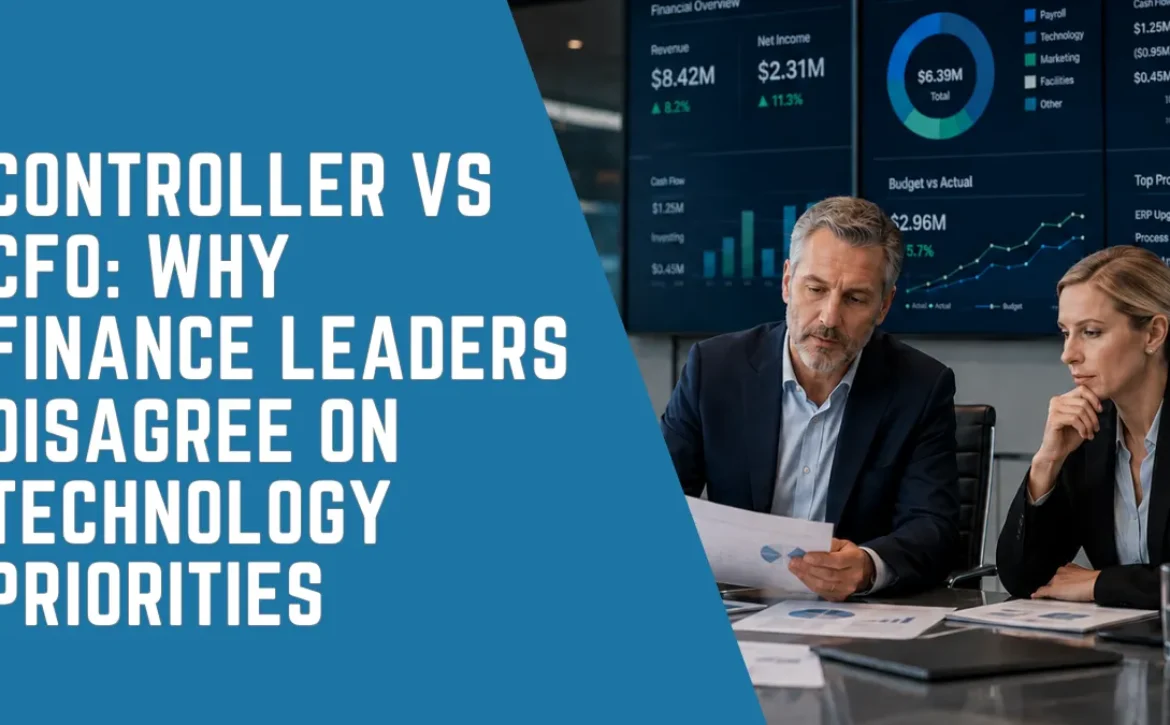
Understand why Controllers and CFOs have different technology priorities and discover how modern ERP systems can align their goals, improve financial efficiency, and support strategic decision-making.
Sage 300 and QuickBooks are both powerful accounting solutions, but they serve different business needs. This guide compares their features, pricing, scalability, and usability to help you choose the right platform for your organization.
ERP for small business growth helps companies move beyond spreadsheets, disconnected accounting tools, and manual processes. This guide explains when small businesses need ERP, which capabilities matter most, and how Sage Intacct, Sage 300, and Acumatica support growth.
Moving away from your legacy system and adopting a new enterprise resource planning (ERP) management solution can greatly benefit your company. Newer ERP solutions are designed to fully integrate and streamline your business operations, using a variety of applications that work together to let you manage anything from finances, HR, manufacturing, etc., all in one place.
Should you bring in an enterprise resource planning consultant to your project? As you explore the myriad options for a new ERP system, the task can seem overwhelming. Should you go with general ERP or a specific system for food manufacturing, custom manufacturing, or other industries?
Although asking a current staff member to assist with an ERP selection may seem like a good idea, they may not have the time or information to make a smart choice. Enterprise resource planning consultants know their systems inside and out and can bring many benefits to the project.
An ERP consultant can be especially helpful if you’re shopping around for a replacement system. By explaining to the consultant what you like and dislike about the current system, they can use their industry knowledge to steer you towards software that’s a better fit for your needs.
We’re of the belief that you should bring an enterprise resource planning consultant into a project as early as possible, but don’t just take our word for it—listen and reflect on these pros and cons, too. Then you can make your own mind up about hiring and onboarding an ERP consultant.
When Working with a Consultant Is Best: Replacing Outdated Software
If it’s been a while since you shopped for ERP software, the newer choices on the marketplace may seem overwhelming. Cloud versus on site? Integrated suites or stand along suites?
Reviewing product literature, participating in demos, and calling references takes time. Unless you plan to hire someone just to run and manage your company’s ERP system, you’re going to have to pull an employee away from his or her regular duties to manage the process of finding, reviewing, and onboarding a new ERP system.
ERP consultants can help you identify current challenges and needs within your company, prioritize them, and define project scope, size, and parameters. They can assess other systems that may need to communicate with the ERP system and how best to accomplish this integration. An ERP consultant’s only job is to find the right software for your company, so they have the time, knowledge, resources and skills to complete the project successfully.
Consultants Can Help with Change Management
An outside consultant can also help your team through the changeover process from the current ERP system to the new system. Even if everyone is looking forward to the new system, there’s always a learning curve. Having someone from outside the company to lead training, answer questions, and help guide everyone through the new system is a big help.
The Legacy Lives On – Undoing Legacy Systems
There’s another wrinkle that an enterprise resource planning consultant can help with and that’s legacy systems. Sometimes, employees become emotionally invested in a legacy system even if it’s no longer doing what they need it to do. Others become the “gurus” of the old system and feel a sense of pride in their ability to get things done with it when others can’t.
Having an external consultant to evaluate and assess the situation can help you mitigate the stress of switching these types of employees over from the legacy system to the newer system. Consultants who understand this mindset can guide, mentor, and cheerlead everyone through the onboarding process, making the transition much smoother for all.
Using Underutilized Systems
Not all problems call for brand-new solutions. In some cases, an ERP system could continue to provide a useful service to a company if everyone just understood how to use it better.
If that’s the case, your ERP consultant can be of enormous benefit. Once the consultant has assessed the situation, they can review the current software and see if it’s a match for your needs or if something different really is required. It may be a case of new training for staff or offering additional training.
Sometimes, high turnover rates can make the software seem like the problem when it’s really the amount of knowledge, experience, and training the newcomers receive. In that case, an ERP consultant can help problem solve by ensuring adequate training is included so that everyone reaps the benefits of the existing system.
Whether or not you need a new ERP system, an enterprise resource planning consultant can help you maximize the value of your existing system.
IWI Consulting Group
IWI Consulting Group helps Canadian businesses and non-profits choose and adapt the best enterprise resource planning (ERP) software for their needs. Small to mid-sized companies will find the help and resources they need to choose the right software at the right value. For more information, visit IWI Consulting Group or call 1-866-916-3851.
Discover the key Sage 300 features that help businesses improve financial management, reporting, inventory control, and operational efficiency. This guide explores Sage 300 capabilities, benefits, and how it compares with modern ERP alternatives like Sage Intacct, Acumatica, and Sage X3.



 Should you bring in an enterprise resource planning consultant to your project? As you explore the myriad options for a new ERP system, the task can seem overwhelming. Should you go with general ERP or a specific system for food manufacturing, custom manufacturing, or other industries?