Category: Manufacturing

Manufacturing Software Solutions: Better Cyber Security

manufacturing software solutionsAmong the manufacturing software solutions you may be considering, cyber security, or keeping data and systems safe from hacks, leaks, and viruses, should be top of mind. You may have a terrific IT team that pays a great deal of attention to cyber security, but it takes just one data breach to seriously damage your company’s systems and reputation.

IT World Canada published facts on the cost of data breaches to Canadian companies that may surprise you. In 2016, the average cost of a data breach, as assessed by studying 27 Canadian companies, was $5.78 million, or $255 per lost or stolen record.

Can your business afford manufacturing software solutions that are less than state-of-the-art? With so much on the line, it pays to find secure software from well-known manufacturers who understand the potential risk to your business.

Preventing Cyber Threats with Cloud-Based Manufacturing Software Solutions

You don’t need a computer science degree or expensive software, either. Much of this protection comes from applying good old-fashioned common sense to your computer use and teaching your employees to do the same.

  1. Update your software: You know those annoying update notices that pop up on your screen every now and then? Instead of ignoring them, run them. Software manufacturers sometimes issue updates and patches when holes in the software code are exploited by hackers to spread viruses and malware. Older software is more vulnerable to problems than newer software, and updates help prevent and protect your system. Run those updates and invest in new software or better still, cloud-based software, which typically features even better security than company-housed software.
  2. Add virus protection: Software that scans incoming emails and checks websites before allowing you to enter them also adds a layer of protection to your online interactions. Some virus codes can be picked up just by visiting an infected site. To prevent this, software that scans sites for safety can help you avoid problematic places online.
  3. Improve password security: Change your passwords monthly and ask your staff to do the same. Instruct them to use complex passwords that include upper and lower-case letters, numbers, and symbols. Strong passwords incorporate phrases that only the user knows but are hard to crack. Avoid sharing the same password among different systems or websites. If one is hacked, that password can now be used to access any other places online that share it. And lastly, don’t share passwords by email or tape them to your computer, especially mobile devices. That’s just asking for someone to steal them!
  4. Switch to the cloud: Cloud-based software such as Sage Business Cloud products offer excellent data security. Not only is your data protected behind numerous firewalls, but it’s backed up frequently on the cloud. Cloud-based systems can protect your data better than most on-site systems.
  5. Teach your team simple email protection: Many hackers use simple tricks to enter systems. They send “change password” emails that pass the glance test or look great at a glance. Others send messages asking the recipients to click a link to access information or to change passwords. Never click links in emails unless you are sure they come from the company itself. When in doubt, close your browser, open your internet browser again, and manually enter a website username and password to check on your account. Simple precautions like this can save you a world of trouble later.

Avoid the Headaches—and Costs—of a Data Breach

Data security breaches can be costly, not just in terms of the financial impact but in terms of customer trust and goodwill. Many companies spend thousands of dollars to repair the damage caused by data loss and compromised data security. Others find that they lose customers after a major data breach. Even if the breach isn’t your company’s fault, customers will still see it as a reason to take their business elsewhere. Good data security can help you retain customers.

Although you can’t guarantee that your data will remain secure, taking these simple precautions can help you prevent costly problems later.

Cloud-Based Software Offers Additional Protection

Cloud-based ERP systems offer additional layers of security between your company and cybercriminals intent on stealing data. Cloud providers invest additional money into security because they know that they are protecting not just their own assets but those of their clients. Sage software has an excellent reputation in the industry for providing quality software that works well over the internet. If you’re considering adopting ERP software this year, consider cloud-based products such as Sage Business Cloud.

IWI Consulting Group

IWI Consulting Group helps Canadian businesses and non-profits choose and adapt the best enterprise resource planning (ERP) software for their needs. Small to mid-sized companies will find the help and resources they need to choose the right software at the right value. For more information, visit IWI Consulting Group or call 1-866-916-3851.

Read More

4 Ways Cloud ERP Software Benefits Manufacturers

cloud erp softwareCloud ERP software can help your manufacturing business cut costs and improve productivity. With so many choices available now in ERP software and delivery methods, you can add powerful productivity packages to your company without incurring the astronomical cost of adding staff and buying hardware to maintain it.

For example, cloud-based ERP software adds great functionality for manufacturers without the need to purchase new hardware. IWI Consulting Group offers Sage Business Cloud, which includes Sage Intacct and Sage EM (formerly known as Sage X3), to provide you with accounting, financial, and operational insights and tools that add great value to your business.

Cloud ERP is creating quite a stir in the manufacturing world, opening up many new possibilities for companies worldwide. About 25% of small manufacturers use cloud-based software, while 20% are looking to expand into cloud software.

Benefit 1: Lower Costs

Anytime you can lower production costs, you have an opportunity to increase profits, even without raising the prices of your goods. Manufacturers are learning that cloud ERP can help lower production costs.

One way in which cloud ERP can help lower costs is by providing useful data and accurate cost analysis. By combining data from various areas of the company into one system and set of reports, you can see at a glance the production activities, inventory status changes, and more that can impact your business.

When you know what your inventory status is and you understand the costs of maintaining your inventory, you can make adjustments that improve inventory management. The results lead to lower costs with improved inventory accuracy and the potential for sustained growth.

Benefit 2: Free Up IT Funds

How much are you currently spending to patch, repair, and duct-tape your existing information technology systems? If you’re like the average manufacturing company, you’re probably running several outdated systems and keeping them operational through plenty of hands-on work. That’s neither practical nor cost-effective in the long term.

Companies shifting to cloud ERP find that they can divert information technology resources away from propping up the existing IT infrastructure into more forward-thinking projects. Cloud ERP is updated automatically by the software vendor, so you do not need to worry about loading updates and managing patches. The vendor takes care of all of that.

Benefit 3: Improve Cyber Security

While many companies also worry about security, and rightly so, cloud ERP tends to be more secure than typical on-site infrastructures. Cloud ERP hosts provide tight security to safeguard both their own reputations and that of their clients and implement the latest security methods to safeguard against code injections, viruses, ransomware and other problems and nuisances.

Lastly, maintaining systems on site and ensuring they are working at peak efficiency does take up considerable IT resources. Many cloud ERP hosts provide assurances of up time in their contracts, with some guaranteeing up to 99% up time. That’s probably better than you’re averaging now.

Cloud ERP software can help you save information technology costs as well as divert staff to more productive projects.

Benefit 4: Support Lean Manufacturing Principles

Cloud ERP can also help companies adopt a lean manufacturing philosophy. Many companies rely on multiple spreadsheets to run daily operations. With spreadsheets existing in every department, and multiple spreadsheets per project in some cases, managing data turns into a tedious and time-consuming task. Spreadsheets must be printed, tallied by hand, and selected data re-entered into new spreadsheets just to run reports or combine data.

Adoption of cloud ERP shifts the tedious task of data entry into automation, saving considerable time and effort. Once you can see the data, you can scale and shift production into more profitable ventures, and you can do so more quickly.

Employees using cloud ERP can view all customer orders at one time and batch production accordingly. This enhancement incorporates lean manufacturing processes and enables more efficient use of materials, equipment, and staff.

Studies have shown that overtime costs can be cut by as much as 60% after cloud ERP adoption because of lean manufacturing processes. With better use of time, equipment and personnel, companies no longer needed to add shifts to accommodate extra orders. This increases profits by lowering costs and increasing production time.

ERP Software: Manufacturing Made Better

If cloud-based enterprise resource planning software sounds ideal, we’re ready to help you choose the best package for your needs. ERP offers outstanding value by packaging together accounting, finance, and other tools into one package. Sage software also offers CRM, HRMS, and additional tools that can help you improve productivity, manage human resources functions, and increase sales.

IWI Consulting Group helps Canadian businesses and non-profits choose and adapt the best enterprise resource planning (ERP) software for their needs. Small to mid-sized companies will find the help and resources they need to choose the right software at the right value. For more information call 1-866-916-3851 or contact IWI Consulting Group.

Read More

Sage ERP and IoT: Transforming Manufacturing Best Practices

Sage-Manufacturing-IoT Best Practice - IWI ConsultingSage ERP, along with innovations such as the Internet of Things (IoT), is changing how manufacturers view and use best practices.

The Internet of Things is the interconnectivity of devices and objects in which software is embedded to track data. Through the IoT, networks can include buildings, vehicles, software, and more. The data derived from the IoT can improve delivery times, production management, safety, and much more, depending on how it is used.

Used wisely, the IoT—along with Sage ERP—can provide you with unprecedented amounts of data that can help you manage all aspects of your business better.

Monitor Shop Floors

One of the innovations affecting manufacturing from the IoT is the ability to monitor conditions on the shop floor. Sensors embedded in equipment, pallets, trucks, and other devices can relay information and make adjustments based on real-time data.

For example, think about plant equipment that can get hot during operations. Plant equipment sends temperature data to the HVAC controls, which understands that the rising temperatures may affect quality output. It then adjusts the fans to blow cool air over specific equipment in use, and keep the temperature at an optimal level, so that outputs maintain quality standards.

Such equipment may also provide enough data to help you gauge the time between routine maintenance tasks, as well as the shelf-life of components, or weigh the need to take something offline for maintenance. Predictive maintenance schedules can also be adjusted based on IoT data, making such schedules more in sync with actual equipment needs. The IoT takes the guesswork out of the shop floor.

Improve Safety Based on Data

Data from such sensors via the IoT can also be used to enhance workplace safety. Workplace safety is a major concern for everyone, but especially for manufacturers.

Data—relayed from sensors embedded in equipment, HVAC units, and air sensors—can monitor conditions and notify plant managers when such conditions stray outside acceptable levels. Items that can be monitored include air quality, ambient temperature, and more. This data can then be used to assess whether workers need more frequent breaks.

Additionally, machinery can be serviced according to IoT data. This keeps it in better working order so it jams less often, breaks down less frequently, and otherwise prevents problems that can impact safety. Even something as simple as a wet floor with sensors in it can trigger warning signs to flash that keep people from slipping and sliding.

If your plant uses mechanized vehicles to move equipment, raw materials, or finished goods, the IoT can be used there to improve safety, as well. Vehicles outfitted with safety sensors connected to the IoT can monitor driving habits so drivers who exhibit safety best practices can be rewarded and those who take risks can receive remedial training.

Lastly, all the data collected from the shop floor can be used to enhance safety training programs. With the data at hand to identify all the potential issues, you can target training sessions to address specific needs based on data from your manufacturing plant.

Democratization of Data

Free and open access to data through the IoT and systems such as Sage ERP means that everyone involved in the manufacturing process can use data available to them. A warehouse foreman has the same access to shop floor data as the CEO or COO.

Why would you want free and open access of data in your company? Today’s job are interconnected. No job or unit works in isolation. Seamlessly taking orders, producing goods, and shipping them in a timely fashion requires teamwork throughout the company. The IoT can provide data from every point in a manufacturing company to a centralized system, such as an ERP system, that produces vital data for everyone. Access to such data can encourage teamwork, collaboration, and improvements that benefit everyone but, most importantly, benefit your customers and your business.

The IoT is really forcing many manufacturing companies to change how they think about their workplace. It’s helping to save costs for repairs and maintenance, improve worker safety, and address data access issues. Sage software, including Sage ERP aligned with the IoT, can help you collect, store, and utilize such data effectively in your company. It’s a big change, but one that is worth it in terms of competitiveness, lowered costs, and improved workplace safety.

Sage ERP Software from IWI Consulting Group

IWI Consulting Group is a Canadian-based firm that assists businesses of all sizes to adapt the best ERP systems for their needs. For more information, visit IWI Consulting Group or call 1-866-916-3851.

Read More

Manufacturing Software Solutions for the Changing Landscape

manufacturing software solutionsTechnology is changing the procurement landscape. Are you ready?

Technology is a disruptive force, but manufacturing software solutions can ease the transition from one technological era into another.

Consider the changes happening throughout the procurement field. Technological advancements, such as the Internet of Things (IoT), cloud’s ability to enable the use of big data, and much more are all changing the procurement field. Manufacturing software solutions can make those changes much easier to integrate into your overall systems.

The world of procurement is undergoing a seismic shift, a radical change from what it was to what it will be. To get ready, let’s take a look at what is happening in the industry.

The Internet of Things (IoT)

The Internet of Things (IoT) refers to the ability to add internet-linked devices to vehicles, pallets, and other objects. Data can be sent from the object to the internet and through a central resource such as your ERP system. Companies transporting perishable materials such as ingredients, chemicals, or other materials may use the IoT to monitor temperature fluctuations during transport. Companies who use geo-targeting get up to the minute information on the location of raw materials or customer orders. As the IoT grows, more data added to a company’s system lends itself to more reports, better analytics, and additional insights that can lead to profitable businesses. A business intelligence system may be necessary to utilize the amount of data flowing into a company, but it’s an investment in manufacturing software solutions that pays off in the ability to visualize data and use it for better business decisions.

Leveraging Big Data

The IoT feeds a great deal of data into your system, but data also flows from many other points. Warehouse inventory, supply chain analytics, production runs, sales CRM systems, and more provide constant data for your system.

To adequately leverage such data, you may need a data warehouse that will “talk” to all of the systems. Sage Business Intelligence can then turn that data into useful analytics and visualizations that will help you make better, faster decisions.

When your procurement area can access additional data, they can make better decisions, too. Evaluating suppliers, extending payment terms, and renegotiating credit with vendors can happen with better data. Big data is rapidly expanding the role of procurement and changing how it interacts with other departments such as accounting, finance, and sales.

Procurement Moves from Back Office to Front of the House

Procurement used to have a back-office role finding vendors, securing terms, and helping with tasks such as these behind the scenes. That’s all changed. Companies today rely upon procurement to find the lowest cost and best quality raw goods and materials; procurement is now an integral part of the sales process.

Manufacturers who recognize that procurement is now a “front of the house” venture rather than a back-office function and treat the procurement department as an integral part of the process will embrace the transformation taking place. The transformation seen today gets to the heart of procurement’s role in the big picture of the business, and the way in which a sound, well-managed procurement department, fueled by data and analytics, can add to a business’s bottom line.

IWI Consulting Group

IWI Consulting Group offers manufacturing software solutions that help businesses gain insights into their operations, inventory, and profitability. We provide software and support for a wide range of industries throughout Canada. For more information, please visit IWI Consulting Group or contact us today.

Read More

5 Steps to Boost Discrete Manufacturing Productivity

Sage EM (formerly known as Sage X3)Sage X3 offers unprecedented insight and business data for discrete manufacturers. Worldwide, there’s growing unease about the slowdown in demand. Nationalism is rising and sales are slowing. When there’s this confluence of global factors, the emphasis shifts from expansion to improving productivity. Sage EM (formerly known as Sage X3) can help you improve productivity and more.

There are several steps you can take to improve productivity and profitability as the global demand for discrete manufacturing slows. These include:

  1. Leverage Sage EM (formerly known as Sage X3) data and analytics: Sage EM (formerly known as Sage X3) users know that the system provides excellent data and analytics. Condition-based monitoring, which helps discrete manufacturers monitor the condition of equipment and facilities, can be monitored and tracked. Warehouse management can be improved using data from Sage EM (formerly known as Sage X3). Other areas of improvement include data-based marketing, sales, and operational decisions. Use all the data that you can from Sage EM (formerly known as Sage X3) and make sound, fact-based decisions. Monitor costs and expenses carefully and make better decisions about your operations.
  2. Use pricing for competitive advantage: Sage EM (formerly known as Sage X3) can help you improve your supply chain management, which in turn can drive down the cost of goods. You can use lower wholesale costs to provide incentive pricing for good customers or to increase market share by aggressively pricing high demand goods. Price can be an effective marketing strategy if used judiciously.
  3. Cultivate strategic partnerships: Consider whether strategic partnerships can be used to enhance your company’s abilities to reach new markets or produce innovative goods. A strategic partnership can be used to leverage industry knowledge, specific project-based innovations, or other areas where business growth outweighs concerns about sharing information.
  4. Use data to make incremental improvements: Look at your company’s operation data in Sage EM (formerly known as Sage X3) to see where incremental gains can be made. For example, just a slight reduction in return rates can yield gains in profitability. Wasting less during the production process can increase profitability too. Spending more on routine maintenance for equipment may result in fewer costly emergency repairs. By using operational data, you can make choices about where to spend to save in the future or how to get more from using less.
  5. Never stop recruiting: Hiring is probably the last thing on your mind when costs are rising and sales are declining. It takes top people to build a top company, and it’s often difficult to find mid- to senior-level manufacturing talent when you need it. Build a company-wide recruitment campaign to position your company as a great place to work. Include your sales, marketing, and communication teams in the movement to make your company number one. Always be open to new hires if the talent they bring can boost your company’s productivity, sales, or market share.

Building a Discrete Manufacturing Ecosystem

The buzzword now is “ecosystem”—an interrelated sequence of thoughts, ideas, and more that support growth and development. Discrete manufacturers can build their own ecosystem by considering:

  1. Sharing specific intellectual property assets to build something better with a selected partner;
  2. Collaborating with another manufacturer to create a highly desirable product;
  3. Sharing supplier resources with other manufacturers to support an evolving industry;
  4. Using systems such as Sage EM (formerly known as Sage X3) that support collaboration.

Sage EM (formerly known as Sage X3) can be used by discrete manufacturers to make improvements that can counteract the slowdown in the global market. While you may not be able to increase demand, you can certainly decrease costs and find new and innovative ways to build new products.

At some point in time, the manufacturing cycle will pick up again. It always does. Until then, smart manufacturers use Sage EM (formerly known as Sage X3) data to continue producing at profitable rates. Be one of the smart companies by learning more about Sage EM (formerly known as Sage X3) today.

IWI Consulting Group

IWI Consulting Group helps businesses gain insights into their operations, inventory, and profitability. We provide software and support for a wide range of industries throughout Canada. For more information, please visit IWI Consulting Group or contact us today.

Read More

Sage X3 Enhances Visibility in Food and Beverage Manufacturing

Sage X3Transparency, visibility, accuracy, and accountability are all the new watchwords in the food and beverage manufacturing industries. Sage X3, a business management system, is a software tool that offers manufacturers the information they need to successfully compete in the global market.
Global Supply Chain Challenges Solved

The food and beverage industry has become increasingly globalized over the past several years. Product ingredients may include wheat from Manitoba, preservatives manufactured in the United States, spices grown and dried in India, and packaging components from Europe. All of this makes tracking supply chain inputs and visibility into your supply chain vital.

If one link in the chain must be tracked to its source, you need immediate access to the data in your system. Disparate systems or logs kept in spreadsheets can take too long to review manually and can be difficult to cross-reference.

An enterprise resource planning system such as Sage X3 brings all data into one business management system so you can query the database and receive accurate answers. You’ll know if Supplier A provided the food dye or Supplier B, whether Contractor G made the packaging or Contractor H. It’s all easily accessed in the system. In the event of a recall or a problem, you can see at a glance which vendor you need to contact.

Meet Compliance Regulations

Understanding food and beverage manufacturing compliance regulations is vital for your business and it’s likely that you’ve got a good handle on it already. However, it can be challenging to keep up with changing regulations. You must educate your staff, your vendors, and your customers.

A business management system can help you disseminate information more quickly to those who need it. Keeping appropriate information ready to share with regulators, consumers, and others is an important step in the compliance process. Enterprise resource planning systems can help you track, control, and monitor information with the goal of meeting regulations.

Improved Sales Forecasting

One of the major challenges facing the food and beverage industry is sales forecasting. Inaccurate forecasting can lead to wasteful spending and deficits that are difficult to close. Reducing costs, minimizing wastes, and keeping inventory to a minimum are the goals of many manufacturers.

Sage X3 brings together all of the discrete systems in your company so that you can access a comprehensive picture. When financial and sales data are included with production and shipping information, you can make more accurate forecasts about sales, expenses, and more. All of this leads to less waste and improved profits.

Sage X3: Food and Beverage Manufacturing Enterprise Resource Planning

Sage X3 offers your company comprehensive business planning with specific functions pertaining to the food and beverage industry. For example, you can manage recipe formulations in the enterprise resource planning system by lot, batch, or discrete quantities. It’s easier to monitor shelf-life using an ERP system. Systems such as Sage X3 also support flexible measurement and packaging capabilities, so you have the option of changing your product offers based on needs. This quick response to customer demands can set you apart from others in your industry.

IWI Consulting Group helps businesses gain insights into their operations, inventory, and profitability. We provide software and support for a wide range of industries, including food and beverage manufacturing, throughout Canada. For more information, please visit IWI Consulting Group or contact us today.

Read More

Sage X3 Helps Chemical Manufacturers Stay Competitive

Sage X3In the brisk, profitable world of chemical manufacturing, maintaining a competitive edge is critical to your company’s success. Sage X3, a business management or enterprise resource planning (ERP) software, can help you keep that competitive edge. It’s a cost-effective solution that can help chemical manufacturers maintain total control over production without sacrificing speed or quality.
Excellent Business Support for Chemical Manufacturers

With over 3,205 chemical manufacturers in Canada exporting an average of $38 billion in products, chemical manufacturing is a vital component of the Canadian economy. Prince Edward Island, Newfoundland, and Labrador are some of the fastest-growing areas of chemical manufacturing. And even though most of the manufacturers or 91% have under 99 employees, some companies have scattered workforces worldwide with offices in multiple countries and continents.

Such a bustling industry needs tools that can keep up with its growth. That tool is Sage X3. Some call Sage X3 a business management tool but others know it as enterprise resource planning software or ERP for short. Sage X3 offers built-in process manufacturing software to help you maintain quality and improve profitability.

Sage X3 enables you to manage every aspect of your company’s business processes worldwide from one central point. It is cloud-based software, which means that you can access it from any internet connection worldwide. An office in London, another office in Paris, and your headquarters in Toronto can all view the same information on the system thanks to real-time data synchronization.

Profitable Businesses Use Data to Make Decisions

The chemical industry is about 73.5% profitable, according to government figures published online. That means there is room for improvement. The usual truism is that to improve profitability you must decrease costs, increase sales, or both. Sage X3 can help with all of this and more.

Sage X3 enables you to manage data across the supply chain. Keep up to date with distribution data, monitor costs, and use this information to negotiate better rates with suppliers. Real-time information on the manufacturing process helps you maintain high quality which in turn satisfies customers. All of this translates into cost savings, increased sales, and higher profit margins.

Product and Process Consistency

Perhaps one of the most important attributes of the chemical manufacturing industry is the necessity to adhere to standard processes and product consistency. Product consistency and quality are essential to producing high-quality ingredients for a variety of applications.

Sage X3 can help you maintain both consistency and quality throughout your product line. Manage procurement, production, and shipping fluctuations using the data from Sage X3. Keep up to date with compliance requirements and other changes, too.

Financial Management Across Multiple Locations

Lastly, Sage X3 can help chemical manufacturers manage accounting and finance across multiple time zones and currencies. It can keep your books balanced across all lines of business and connects sales with accounting, finance, warehouse, procurement and more.

Chemical manufacturing in Canada is thriving thanks to smart business management, hard work, and an understanding of what drives the competitive marketplace. You can maintain your competitive edge with Sage EM (formerly known as Sage X3). For more information about Sage X3, contact IWI Consulting Group today.

IWI Consulting

IWI Consulting Group helps businesses gain insights into their operations, inventory, and profitability. We provide software and support for a wide range of industries throughout Canada. For more information, please visit IWI Consulting Group or contact us today.

Read More

ERP Systems Improve Food Manufacturing Processes

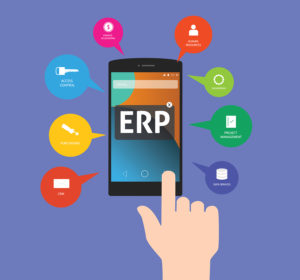
Sage X3ERP systems and other integrated business systems can help improve quality control throughout the food manufacturing process. Food manufacturers, like companies who manufacture pharmaceuticals and similar products, must comply with stringent rules and regulations to ensure safety and quality of end-products. Having accurate, timely data helps ensure compliance and safety.
Ways in Which ERP Benefits the Food Manufacturing Process

Quality assurance professionals and quality analysts know that data fuels many of their decisions. They rely upon accurate, timely data, scientific facts, and knowledge of their industry’s laws and regulations to produce high-quality products that are safe for the public. Having accurate data is vital for food manufacturers.

Data integrity, consistency, and accuracy are all improved thanks to ERP systems for food manufacturing companies. Such information can help you predict problems and take corrective measures to prevent them. Here are more ways in which ERP benefits the food manufacturing industry.

  1. Accurate data: Food manufacturing depends upon accurate data for both quality and consistency. Centralized data and careful selection of those approved to input data improve both accuracy and quality. When specific employees are responsible for data input, they can be trained to ensure accuracy and competency and avoid mistakes. Data throughout the ERP system can be centralized, stored, and shared company-wide. Cloud-based ERP systems and mobile ERP make it easy to share real-time data and information, no matter where your employees are traveling or working.
  2. Fast response to potential problems: Real-time data also provides insights into what is happening now. If your quality assurance team spots a problem, they can take swift, corrective action to prevent problems from spreading. For example, if tests on ingredients indicate the presence of potential food-born pathogens, the lot can be stopped in the manufacturing process before it contaminates machinery or spreads into finished goods. This information can be discovered and shared quickly, thanks to real-time data stored in the ERP system.
  3. Manage complex regulations: Food manufacturing is fraught with complex regulations and requirements to ensure the public’s safety when purchasing and consuming products. These complicated rules can be challenging to track and implement, especially when changes occur. Fortunately, ERP for food manufacturing can be set so that automated alerts are sent when audits, inspections, or other important events are pending. You can also update systems with new information, as it becomes available, to share it throughout your organization.
  4. Track and document important events: Lastly, you can track, document, and share responses to important external events by using an ERP for food manufacturing system. Such systems can help you maintain accurate records of public complaints or problems and your company’s responses to them. You can then easily run reports for external agencies and other regulatory bodies seeking such data.
  5. Single view: When all your company’s data is contained in a centralized, easily accessible system, there’s a “single view” of everything that’s going on throughout the company. Departments no longer need to rely upon specific reports or chunks of information obtained from others. Data can be shared instantly so that everyone can use it for their work. Instead of disparate parts, everyone is working from the whole.

Sage EM (formerly known as Sage X3), also called Sage EM (formerly known as Sage X3), is a system that supports shared, collaborative business information. The system features centralized data, integrated business processes, mobile access and more, to provide a robust yet scalable suite of business productivity tools. For food manufacturers, it’s a good tool to enhance collaboration and improve data visibility throughout your organization.

Learn More About ERP for Food Manufacturing

IWI Consulting Group offers businesses assistance choosing the right Sage products for their needs. We can help you convert your company’s systems into a single, integrated solution that supports your business and enhances productivity.

Contact IWI Consulting today for a consultation. Call 1-866-916-3851.

Read More

Four Tips to Transition to Mobile ERP for Manufacturing

BarcodingMobile ERP for manufacturing can transform your organization. Companies worldwide in many industries are embracing mobility to enhance productivity, efficiency, and profitability.
Workers may be fine with using standard PCs, but managers, supervisors, and salespeople absolutely need mobile ERP for manufacturing. With mobile ERP, they can take their workplace anywhere they need to go. As they move about the shop floor, visit with customers, or meet with suppliers, they can use their smartphones and other devices to access critical information that can help them make decisions and share information to close sales. Now that’s something worth investing in!

Include these four steps for an effective mobile ERP strategy

If you’re considering mobile ERP for manufacturing, but aren’t sure where to start or how to implement if effectively, these tips will help you move in the right direction.

  1. Offer primary access through mobile devices. Instead of making mobility a secondary data access method, enable mobility for all of your data access and reporting and encourage adoption of it as a primary method of access. Universal, secure mobile access will encourage more people in the workplace to adopt it as their main method of retrieving and using data.
  2. Establish goals, measure results. It’s difficult to ascertain the success of any endeavor unless you set goals. Quantifiable goals can be measured. It’s easier to see what you have or haven’t achieved when you have a shared goal and are measuring results.
  3. Use cloud ERP. Cloud ERP systems with built-in web-based dashboards facilitate mobile ERP for manufacturing. They also make it easier to update and upgrade systems, as well as add new users. Cloud ERP is secure, flexible, and mobile. It’s a great way to add mobile ERP for manufacturing to your company at a reasonable cost.
  4. Encourage and accept BYOD (Bring Your Own Device). Businesses used to push back against BYOD because it meant supporting multiple devices, formats, and software. It was both unwieldy and expensive. Newer cloud-based mobile ERP for manufacturing systems makes it much easier to support BYOD initiatives. Employees can use a device they would normally carry anyway for both work and pleasure with little ramp-up costs for you.

Advantages of mobile ERP for manufacturing

There are many advantages of mobile ERP for manufacturing. Companies in the food or pharmaceutical manufacturing industries will find that mobile ERP enhances their ability to track shipments and lots and to ensure compliance with manufacturing guidelines. Traceability and in-process checks are easier with mobile ERP.

Managers will find that mobile ERP makes it easier to keep track of information as they move about the plant or manufacturing facility. Instead of scribbling notes to themselves, they can tap them quickly into the ERP system. This can instantly update and alert everyone in the company about things happening down on the shop floor instead of waiting for a manager’s report or update.

Barcode readers are also a big part of mobile ERP for manufacturing. They aren’t just for retailers or big warehouses. Barcodes affixed to raw materials and equipment can be used to track usage, monitor stock levels, and find things fast in large warehouses.

The right tools support an effective mobile strategy

Companies considering mobile ERP for manufacturing should ensure they have the right tools in place to make the change. Working with a partner such as IWI Consulting, you will find it much easier to choose and implement a new ERP for your manufacturing system.

Sage 300cloud (formerly known as Sage 300) offers a powerful ERP system with built-in mobility. It’s an excellent tool, whether you’re just getting started with ERP or seeking a more robust system to achieve your business goals.

IWI Consulting Group offers businesses assistance choosing the right Sage products for their needs. We can help you convert your company’s systems into a single, integrated solution that supports your business and enhances productivity.

Contact us today for a consultation.

Read More

Integrated Business Systems Powering New Manufacturing Trend

business systemsIntegrated business systems may be the hot new trend for manufacturing leaders today. The push to integrate systems so that information is shared, synthesized, and combined for new insights and useful actions is proving to be just what the manufacturing sector needs to fuel innovation and change. ERP systems are at the forefront of this technological revolution along with business intelligence, accounting, inventory systems, and more.

Improving Speed Through the Manufacturing Process

One way that integrated business systems are helping boost manufacturing success is by improving speed throughout the supply chain and beyond. Contextual intelligence, or the knowledge gained from using data derived from multiple systems throughout an organization, helps companies keep pace with customers’ rapidly changing needs. Speedy insights gleaned from integrated systems are improving speed throughout many aspects of the manufacturing process.

  • Real-time order status: Integrating ERP, CRM, inventory and warehouse management, and other systems ensures that customers can get fast responses to their order status questions. For someone anxiously waiting for important parts or goods, knowing the answer without delay may earn your company loyalty for future orders. It certainly saves time by improving customer self-service portals and other methods of helping customers find the answers to their own questions quickly and efficiently.
  • Reaching time-to-market goals: Innovations must reach the market faster than a competitor’s in order to gain market share. Improving time-to-market speed is another way of boosting competitive advantages, especially in crowded industries with multiple, similar products vying for purchase. Real-time integration of ERP, BI, and quality assurance programs helps companies create better products faster and achieve their time-to-market goals. It saves time, provides milestones and checkpoints, and ensures that all working on the project have accurate, timely data to work from.
  • Addressing product problems faster: Another benefit of integrated systems is addressing any potential flaws, problems, or recalls quickly, thanks to accurate data. When all your systems integrate and communicate with one another, noticing an uptick in the CRM system’s complaint status can help you pinpoint the problem and address it quickly before it escalates. Integration ensures that all parts of the company have access to the same data and can understand and respond in harmony to the questions that arise from product issues.
  • Creating “smart” factories: Smart factories are factories built around the IoT (internet of things) and communication among the components within the factory including machinery, equipment, and raw materials. Barcoded materials indicate when stock counts fall below an accepted threshold; integrated systems can trigger a reorder, adjust time to market status, and more. Machinery can be better deployed for maximum efficiency in smart factories that “know” when to use certain equipment and when to power down. The use of sensor data and smarter factories means greater speed and efficiency throughout all aspects of the manufacturing process.
  • Discovering connected products: Another benefit of integrating business systems is the ability to gain new insights into useful products. Some businesses even find ways to connect existing products, forging new and useful items out of the old. The integration of ERP, BI, CRM, and other systems points the way to potential new products made from old. This offers efficiencies, cost savings, and revenue potential for manufacturers.

Integration Made Easy

Integrating business systems doesn’t have to be hard work. IWI Consulting Group offers businesses assistance choosing the right Sage products for their needs. We can help you convert your company’s systems into a single, integrated solution that supports your business and enhances productivity.

Over 45,000 midmarket businesses in 150 countries using Sage 300 can’t be wrong. Reap the benefits of integrated business systems today. Contact us today for a consultation. Call 1-866-916-3851.

Read More